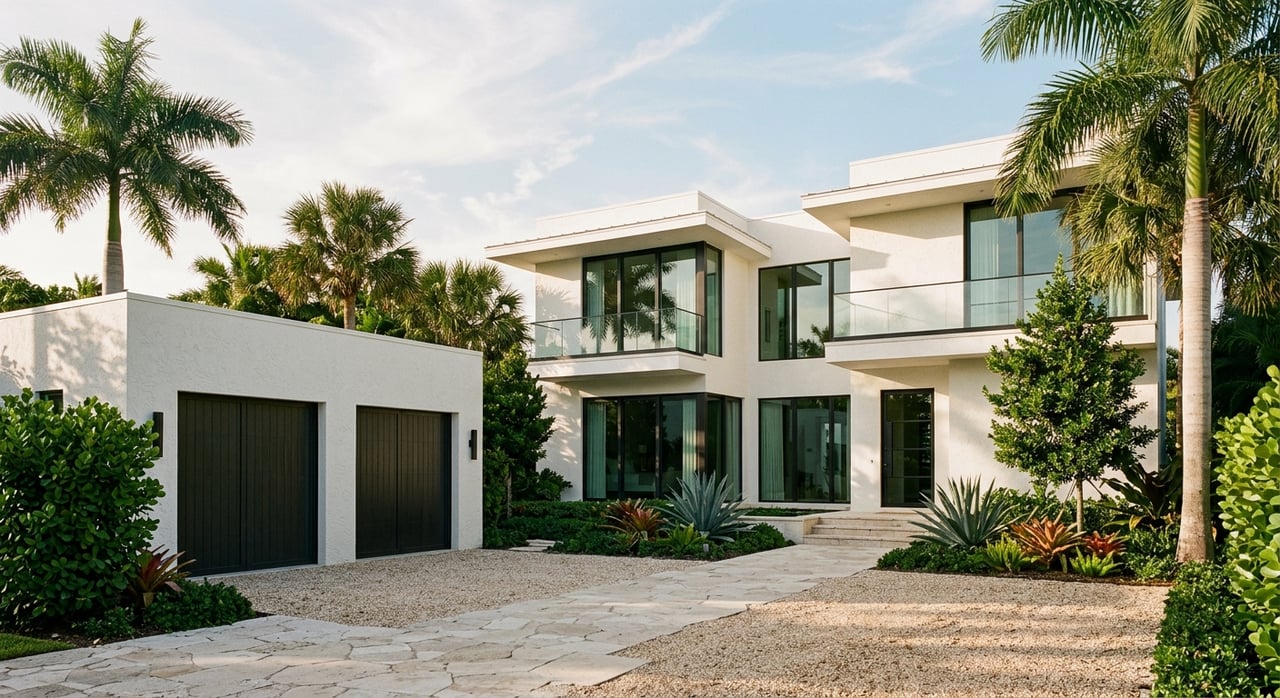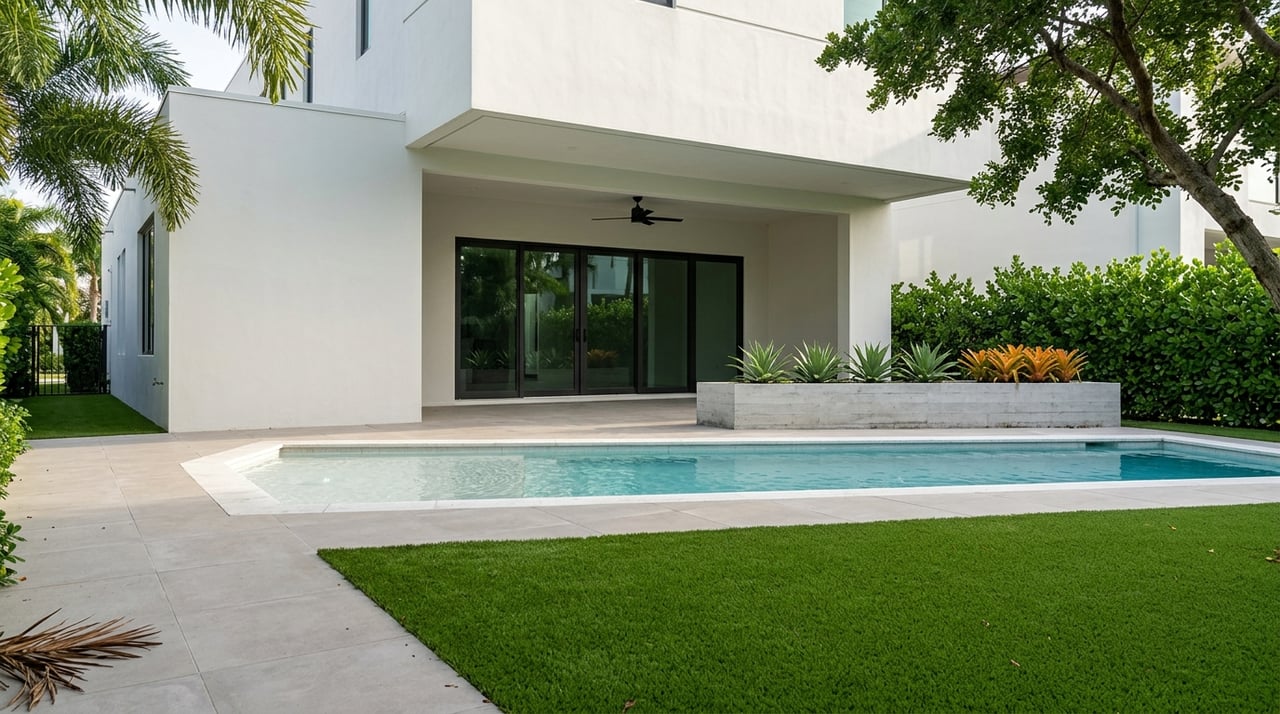

Thinking about a gated community in Jupiter but not sure where to start? You want privacy, amenities, and a lifestyle that fits your day-to-day, without surprises when it comes to fees or commute. This guide breaks down the major community types, what HOA and club dues usually cover, and how to do smart due diligence before you buy. You will walk away with a clear checklist and realistic expectations for life behind the gates in Jupiter. Let’s dive in.
Why choose a gated community in Jupiter
Gated communities in Jupiter offer controlled access, strong amenity packages, and organized maintenance that supports a low‑stress lifestyle. Many buyers value the predictable upkeep of common areas, easy access to recreation, and the neighborhood community feel. That said, costs and rules vary widely. Knowing how each community type operates will help you match your budget and lifestyle.
Three common gated community types in Jupiter
Golf‑club communities in Jupiter
Golf‑club communities center around private or semi‑private courses with on‑site dining, pro shops, and organized programming. Homes often sit along fairways and carry higher price points. Communities like Jonathan’s Landing, Admirals Cove, and The Bear’s Club are well‑known examples in the Jupiter area. Each one handles membership differently, so you should verify current rules and fees with the club.
What to expect:
- Separate club membership dues in addition to HOA dues.
- One‑time initiation fees for private clubs, with monthly or annual dues and possible food minimums.
- Strong social calendars and services that attract full‑time residents and downsizers who want an active club life.
Waterfront and marina communities
Waterfront‑adjacent neighborhoods line the Intracoastal Waterway, inlets, or tributaries. Many include docks, boat slips, or shared marina facilities. Gate security helps manage access and protect marine assets. If you plan to keep a boat on site, review slip availability, fees, and any ownership or rental rules.
What to expect:
- HOA dues that may include marina and seawall maintenance, with separate contracts for slips and lift upkeep.
- Additional insurance considerations for docks and boats.
- Flood and storm planning, including seawall care and hurricane readiness.
Family‑amenity and lifestyle neighborhoods
These communities focus on recreation and everyday convenience. Expect pools, playgrounds, tennis or pickleball courts, walking trails, and community centers. Some are fully gated, while others have gated sections within a larger plan. Monthly HOA dues tend to be more moderate than luxury golf or waterfront communities, though costs vary by amenity level and property type.
What to expect:
- Predictable HOA dues that fund shared amenities and landscaping.
- Community programming like classes, sports, or seasonal events.
- A range of single‑family homes and attached options, depending on the neighborhood.
What HOA and club fees usually cover
How costs stack up
Most Jupiter gated communities involve layered cost structures:
- HOA dues: Support common‑area maintenance, gate operations, landscaping, pools, shared utilities for amenities, reserves, and management.
- Club dues: Separate from HOA for golf, social, or boating privileges. Often include monthly or annual dues, food minimums, and a one‑time initiation fee.
- Slip/marina fees: If applicable, separate agreements for dockage plus maintenance and insurance responsibilities.
- Special assessments: For major capital projects like pool renovations, seawall repair, or hurricane repairs.
Typical ranges in Jupiter
Every community sets its own fees, and amounts change over time. As general guidance:
- Family‑amenity neighborhoods often range from the low hundreds to several hundred dollars per month. A common example is roughly $100 to $600 per month for many Florida suburban HOAs that fund recreation and landscaping.
- Waterfront and marina communities often run higher, sometimes several hundred to $1,000 or more per month, plus slip or marina costs.
- Golf‑club communities include HOA dues plus separate club costs. Initiation fees can reach five figures or higher in exclusive clubs. Ongoing club dues commonly run several hundred to over a thousand dollars monthly, depending on membership level.
Always verify current numbers with the association and any affiliated club before making an offer.
Hidden costs and special assessments
Even well‑managed associations face major repair cycles. Seawalls, pools, roof replacements in condo associations, and large clubhouse projects may require significant reserves. If reserves are not sufficient, associations can levy special assessments. Ask for the most recent budget, reserve study, and meeting minutes to understand what may be coming.
Amenities and who maintains what
Amenities that drive costs
Common amenity packages in Jupiter include:
- Gated entries, staffed gatehouses, and security patrols
- Clubhouses with dining and event space
- Golf courses, practice facilities, and pro shops
- Pools, spas, and fitness centers
- Tennis and pickleball courts
- Marinas, boat ramps, and seawalls
- Landscaping, walking and bike paths, and playgrounds
- Social programming and resident events
Staffing, utilities, and specialist upkeep drive operating costs. Golf operations may be managed by a separate club entity, but course landscaping and shared facilities still influence the community’s cost structure. Marina and seawall care require specialized maintenance and robust reserves.
HOA vs. homeowner responsibilities
- HOA: Common areas, gates, community pools, clubhouses, landscaping of shared spaces, private roads inside the association, and seawalls or shoreline if the community is responsible.
- Homeowner: Interior upkeep, most roof and exterior maintenance for single‑family homes, individual yard care unless the HOA covers it, and the property’s insurance policy. In condominiums, the association may cover roof and some exterior elements, so review the documents closely.
Insurance and hazard risk
Jupiter’s coastal setting means you should evaluate flood, wind, and hurricane risk. Lenders often require flood insurance for properties in FEMA flood zones. Premiums vary by elevation, flood zone, and the specific property. Review the community’s elevation, any history of storm damage, and whether the HOA maintains seawalls or shoreline. To check flood zones and risk, start with the FEMA Flood Map Service Center.
Wind‑mitigation credits can help with insurance costs. A licensed inspector can evaluate roof attachments, coverings, and other features that may lower premiums.
Commute and daily access in Jupiter
Jupiter’s main corridors include U.S. Highway 1 for coastal travel and Indiantown Road (SR 706) for east–west connections to I‑95 and the Florida Turnpike. These routes tie you into the broader Palm Beach County network. For air travel, Palm Beach International Airport in West Palm Beach is the closest major airport.
Public transit exists, but most residents rely on cars. Palm Tran operates countywide bus service with local routes in Jupiter, though service levels are not like a large urban system. You can review options on Palm Tran’s website. Regional rail stations, including Brightline and Tri‑Rail, are located further south, so many commuters drive to a station if they use rail.
At the county level, American Community Survey data shows that typical suburban commute times average around a half hour by car, with wide variation by route and time of day. You can explore commute trends on the U.S. Census Bureau’s American Community Survey site.
Practical tips:
- Test drive your route to work, groceries, and medical appointments both off‑peak and at rush hour.
- Expect a brief delay at the gatehouse during busy periods.
- Note turn options and traffic light timing when exiting larger communities onto main roads.
Due diligence checklist for Jupiter gated buyers
Before touring or writing an offer, request:
- HOA package: bylaws, CC&Rs, and rules and regulations
- Budget, financials, reserve study, and proof of common‑area insurance
- Recent board meeting minutes
- Estoppel certificate before closing that lists dues, delinquencies, assessments, and transfer fees
- Club membership agreements and fee schedules if the community includes a club
- Marina agreements and slip availability if you need dockage
- Flood zone details, any available elevation certificates, and relevant insurance history
- Property inspection reports and disclosures about any ongoing litigation
For Florida associations, resale disclosures are governed by state law for condominiums, cooperatives, and HOAs. You can review the framework in the Florida Statutes. Ask your agent to coordinate documents early so you have time to review them.
Key questions to ask:
- What exactly does the HOA fee cover, including utilities, cable, lawn care, and reserves?
- Are any special assessments planned or under discussion?
- Are club memberships mandatory, and what are initiation and monthly costs?
- What are the rental, pet, and modification rules?
- How is guest access managed and when are gates staffed?
- For waterfront homes, who maintains seawalls and docks, and how are those costs funded?
- What insurance must homeowners carry versus the association?
Red flags:
- Low reserves or frequent special assessments
- Ongoing litigation that could affect finances
- Unclear membership transfer policies in club communities
- Repeated infrastructure issues like failing gates or seawalls
Who each option fits best
- Active golfer: You value on‑site play, instruction, and social events. Trade‑off: higher upfront and ongoing club costs in exchange for a strong golf lifestyle.
- Boater and waterfront buyer: You want direct water access and a marina. Trade‑off: higher HOA and insurance costs, plus flood and seawall considerations.
- Lifestyle and recreation seeker: Pools, courts, and trails matter most. Trade‑off: fewer luxury services than private clubs but more predictable dues.
- Budget‑minded buyer: You want gated access with controlled costs. Trade‑off: smaller amenity sets and less exclusivity than golf or waterfront enclaves.
Next steps
Compare the true monthly cost across your finalists. Add mortgage, property tax, HOA dues, any club dues and food minimums, slip fees if applicable, and insurance. Review the HOA’s financials and reserve study. Confirm rental and pet rules match your plans. If you are new to Jupiter, scan local resources from the Town of Jupiter to understand everyday services and parks.
If you would like a curated list of gated options that fit your lifestyle and budget, connect with Jeremy Blum. As a broker‑led boutique, we guide you through fees, rules, and due diligence so you can buy with confidence.
FAQs
What are typical HOA fees in Jupiter gated communities?
- Fees vary by property type and amenities. As a general guide, family‑amenity neighborhoods often range from roughly $100 to $600 per month, waterfront communities can run higher, and golf‑club communities add separate club dues and initiation fees.
Are club memberships mandatory in Jupiter golf communities?
- It depends on the community. Some require membership for owners, while others have optional tiers. Always review the club’s membership agreement and fee schedule during due diligence.
How do I check flood risk for a waterfront home in Jupiter?
- Start with the FEMA Flood Map Service Center and ask for any elevation certificates and insurance history. Your lender may require flood insurance based on the property’s zone and elevation.
What do Florida HOA resale disclosures include?
- Florida law requires specific disclosures for properties in associations. You should receive governing documents, rules, and key financial information. Review the framework in the Florida Statutes.
What are commute options if I live in a gated community in Jupiter?
- Most residents drive using U.S. 1, Indiantown Road, I‑95, or the Turnpike. Palm Tran runs local bus routes with limited frequency; see Palm Tran’s website for details. Many rail users drive to regional stations further south.