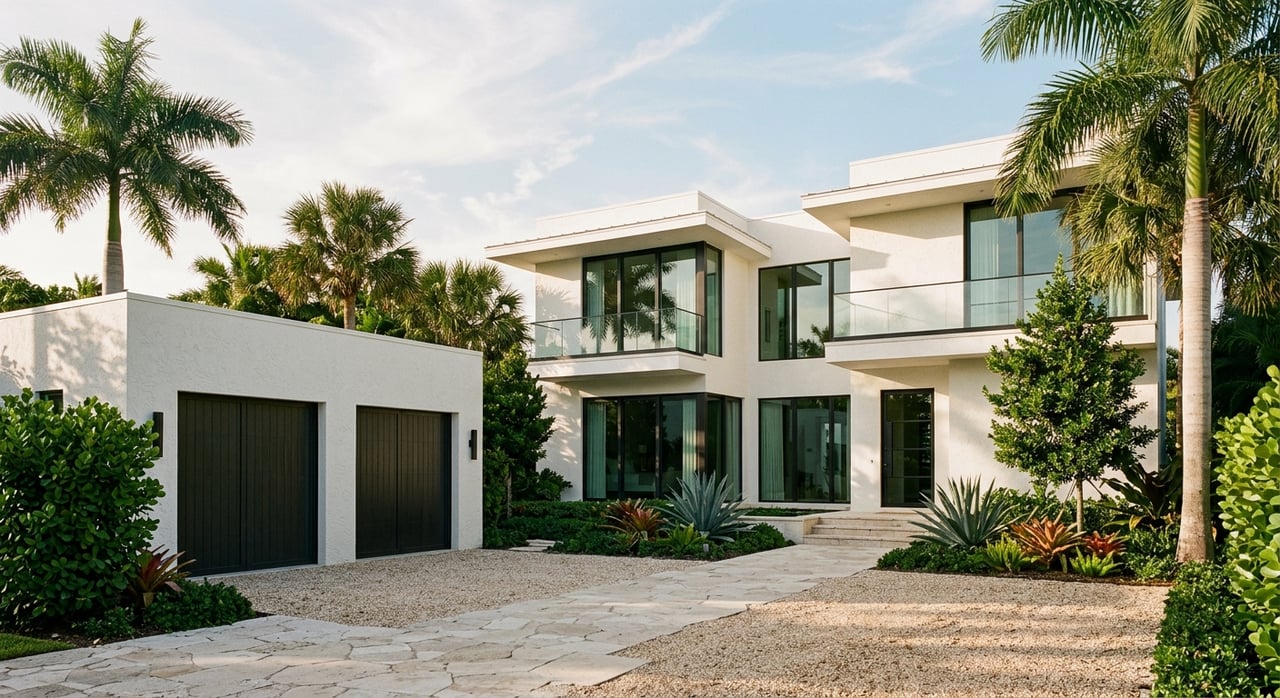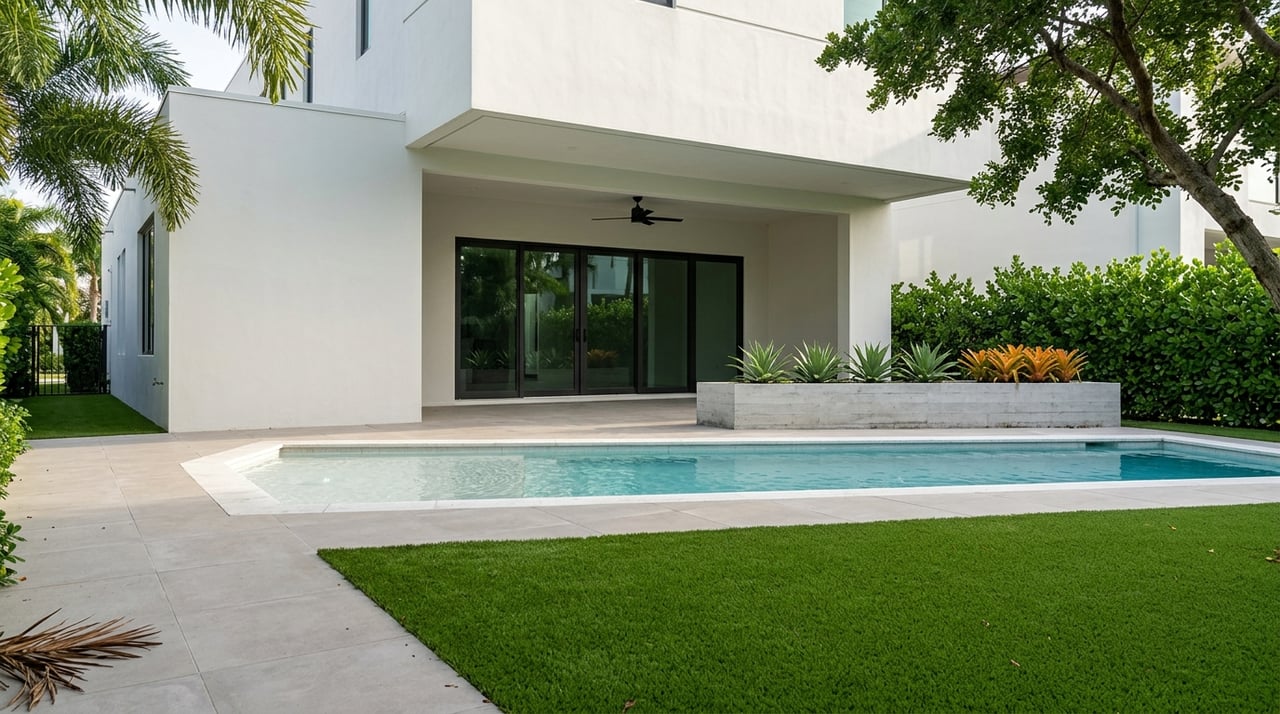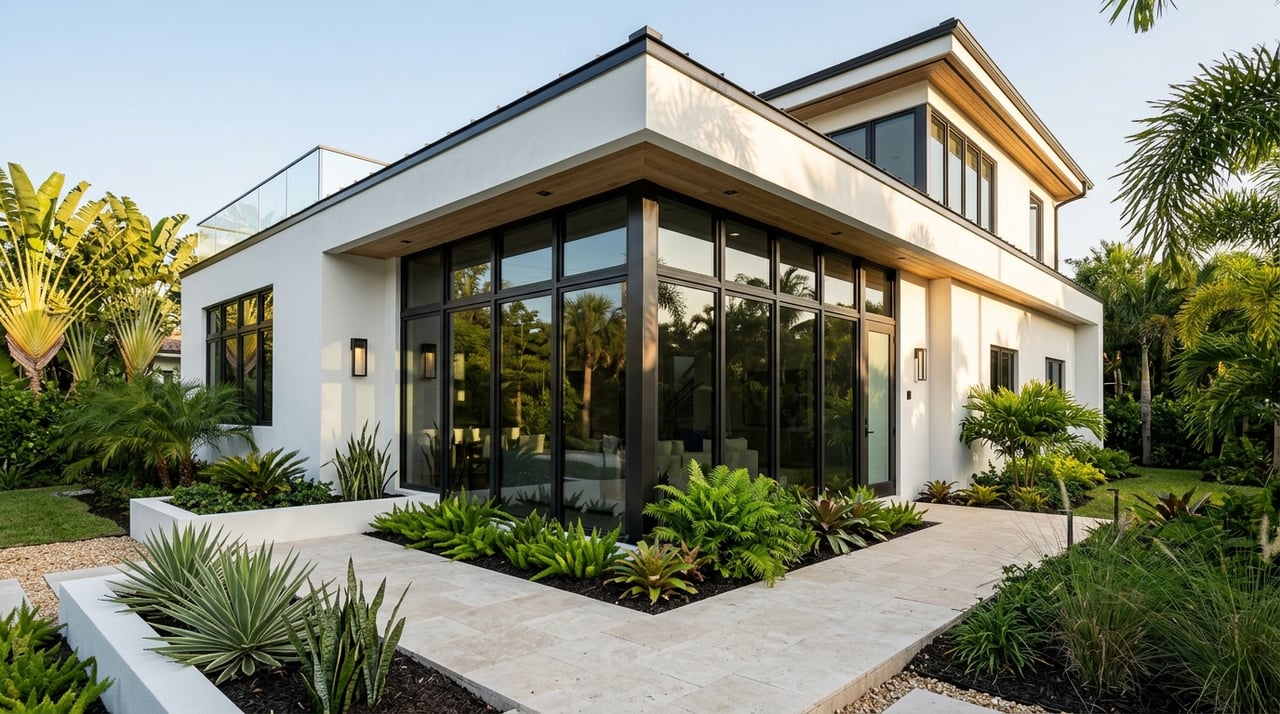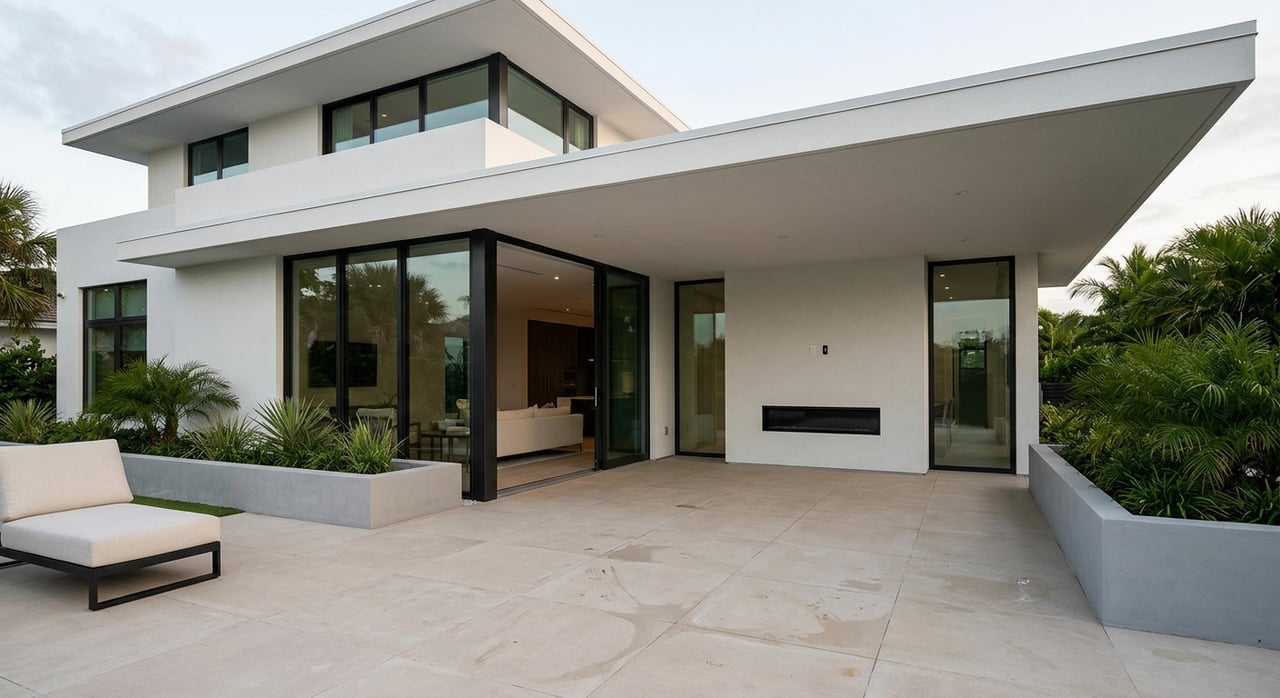
Are you worried about leaving money on the table when you sell your Palm Beach Gardens home? You are not alone. Pricing is the single biggest lever you control, and the right strategy can boost showings, strengthen your negotiating position, and protect your upside. In this guide, you will learn how to use micro-market comps, golf community premiums, condition, and timing to set a confident list price that attracts the right buyers without undercutting your value. Let’s dive in.
Palm Beach Gardens micro-market basics
Palm Beach Gardens sits within Palm Beach County and the West Palm Beach–Boca Raton–Delray Beach metro, but buyers choose at a neighborhood level. The most relevant comparisons happen inside your immediate community or product type, not across the whole county. That is why you should think in terms of micro-markets.
In PBG, micro-markets can be as specific as a single gated subdivision or product type. For example, single-family pool homes in PGA National between 3,000 and 3,500 square feet can be a different micro-market than townhomes in the same area. Private and semi-private golf communities like BallenIsles and Mirasol serve a defined buyer segment, while non-golf neighborhoods draw a broader pool of local family and commuter buyers.
Seasonality matters here. Winter often brings more out-of-area buyers and second-home shoppers, which can affect showings and offer activity. For a clear view of county and metro trends, review the latest Florida Realtors market reports. For parcel details like lot size, year built, and tax history, use the Palm Beach County Property Appraiser. For national buying behavior context, the National Association of Realtors offers ongoing research into how buyers and sellers make decisions.
- Florida Realtors market reports: statewide and county trends
- Palm Beach County Property Appraiser: official parcel and tax records
- National Association of Realtors: buyer and seller research
Build the right comp set
Your list price should start with a comp set that mirrors how a real buyer will shop your home today. Focus on properties a buyer would consider side by side with yours.
Match these core variables when you pick comps:
- Product type and structure: single-family vs townhome vs condo.
- Size and layout: net living area, bedroom and bathroom count, and key rooms like a first-floor primary.
- Lot and outdoor living: usable yard, pool, lanai, patio.
- View: golf, lake, preserve, or interior.
- Age, construction quality, and recent updates.
- HOA or club membership requirements and monthly fees.
- Market status: closed sales to establish value and current actives or pendings to show competition.
A simple step-by-step approach:
- Start with three to six closed sales in your same subdivision and product type from the past 3 to 6 months. Extend farther back only if inventory is thin.
- Add three to six current active and pending listings buyers will see online today to judge current competition.
- For each comp, collect sale date, price, days on market, price history, beds, baths, square footage, lot size, pool, view, garage, condition comments, HOA or club dues, and any seller credits.
- Use price per square foot only as a starting point. Adjust for condition, view, pool, layout, and renovations.
- Use paired sales logic when possible. If two similar sales differ mainly by one feature, the price gap helps you quantify that feature’s value.
Avoid common pitfalls:
- Do not rely on broad county averages. Neighborhood premiums and discounts can be significant.
- Adjust for condition. A fresh roof, updated HVAC, and renovated kitchen or baths can shift value.
- Do not lean only on active listings. Asking price is not achieved price.
Price golf and club premiums
Golf community dynamics are unique in Palm Beach Gardens. Amenity-rich communities and true golf views can command a premium, but the club structure and fees shape the buyer pool.
What can add value:
- Golf frontage or direct course views. Buyers often pay more for a true golf or lake view inside the same community and product type.
- Bundled or transferable memberships. Equity clubs with transferable membership can support value, while high initiation costs or non-transferable structures can narrow demand.
- Broader amenities. Fitness, tennis, pickleball, dining, and social programs can lift perceived value beyond the course alone.
How to quantify it:
- Compare near-identical sales inside and outside the golf community and adjust for condition and lot.
- Track pricing trends for the specific club compared to adjacent non-golf neighborhoods over the same period.
- Review recent sales photos and disclosures to see if buyers paid up for a particular view or membership.
Gather documents early. Club rules, initiation fees, dues schedules, transfer policies, and any planned assessments should be available to prospective buyers. Clear documentation builds trust and helps justify your list price.
Fix condition to protect value
Condition is a major driver of first impressions and final price in South Florida. Buyers here prioritize safety, systems, and outdoor living.
High-impact items:
- Roofing, HVAC, and windows or doors, including hurricane-rated upgrades when applicable.
- Kitchen and primary bath updates that reflect today’s layouts and finishes.
- Pool and deck condition. Outdoor living is a core part of the lifestyle, and buyers expect it to function.
- Lanai or screened enclosure condition, including screens, fans, and surfaces.
- Any signs of water intrusion, mold, or termite damage. These issues can affect financing and price.
Consider a pre-listing inspection. A general inspection, plus a pool inspection if you have one, can surface small fixes and reduce renegotiation risk later. Keep receipts and warranties for major replacements like roofs, A/C units, and water heaters.
Stage for how PBG buyers live. Focus on the primary suite and outdoor living areas. Quality photography and video are essential. Early online impressions drive showing volume during the critical first two weeks.
If you plan targeted updates, prioritize systems and safety first, then cost-effective cosmetics. For ballpark ROI guidance, review the Remodeling Magazine Cost vs. Value report, then get local contractor quotes for Florida-specific costs like hurricane-rated windows or pool resurfacing. See the latest benchmarks here: Cost vs. Value report.
Time your list for demand
Timing supports your price. Palm Beach County often sees stronger activity from late fall through early spring as seasonal buyers arrive. Off-season months can bring fewer showings and longer market times.
Practical timing tips:
- Match the timing to your buyer. If you are targeting second-home or country club buyers, list before or early in the high-season window.
- Launch early in the week. Going live before weekend showing slots maximizes exposure.
- Plan a cadence. Schedule an initial pricing and activity review 7 to 14 days after launch, then reassess every 7 to 14 days based on showings and feedback.
Monitor leading indicators:
- Showings per week and online views or saves.
- Conversion of showings to offers compared to similar listings.
- New pending or closed comps that post while you are active. These signal how buyers are valuing homes right now.
Choose your pricing strategy
Use a deliberate pricing approach that fits your goals and your micro-market.
Core options:
- Price at the top of the realistic comp range. This protects upside and signals value to qualified buyers, but it requires strong presentation and marketing to maintain traffic.
- Price in the middle of the comp range. This balances exposure and value protection. It is a common tactic in neutral markets.
- Price slightly below comps. This can drive early showings and multiple offers, but it risks selling below achievable value if competition does not materialize.
Which strategy fits you:
- If speed is essential due to relocation or timing needs, consider a modestly aggressive price to spark action.
- If you have time and want top dollar, list near the high end with standout marketing and a disciplined review plan.
- If demand is thin, pair conservative pricing with pre-list prep and targeted outreach. Do not rely on a bidding war.
Helpful pricing mechanics:
- Use search bands. Many buyers filter by round numbers, such as under 1,000,000. Pricing just below a round threshold can improve visibility.
- Consider anchor pricing. A thoughtfully high price with clear justification can set expectations, though it may reduce showings if not supported.
- Use incentives strategically. Credits for closing costs or sharing a pre-inspection can nudge offers without a list price cut. Understand how buyer agents view credits versus price reductions.
Offer handling to protect upside:
- Give the listing a set exposure window of 3 to 7 days before reviewing offers to allow activity to build.
- Use earnest money and clear due diligence timelines to screen for serious buyers.
- If multiple offers are likely, consider an escalation clause or best-and-final date. Follow local customs and consult your agent and attorney.
When to adjust price
Even a well-priced home needs a plan for early feedback. If showings, online engagement, or feedback are materially below expectations after your initial window, prepare to adjust.
- Review at 7 to 14 days. If you are well behind similar listings on showings and inquiries, a visible adjustment can reset momentum.
- Avoid repeated small drops. One or two meaningful reductions tied to a fresh marketing push are better than a string of tiny cuts.
- Sync with the calendar. If you are heading into a busier seasonal window, align your adjustment and promotion with that uptick in demand.
Your execution checklist
A tight process helps you act with confidence. Use this seller checklist to stay organized.
Pre-listing essentials:
- Gather HOA or club documents, dues schedules, and membership details.
- Pull your most recent tax bill, prior survey, building permits, and system warranties.
- Order a pre-listing inspection and pool inspection if applicable.
- Plan photography, a floor plan, and video or drone, especially if you have golf or water views.
- Compile a comps packet with recent solds, actives, and pendings, plus time adjustments if the market is moving.
Comp worksheet fields:
- Address, list or sale price, and sale date.
- Days on market and price history.
- Beds, baths, net living area, and lot size.
- Pool and outdoor living features.
- View type and orientation.
- Renovation notes and system ages.
- HOA or club dues and membership requirements.
- Financing type and any concessions if known.
- Adjustments applied and final adjusted value.
Pricing review cadence and communication:
- Set checkpoints at 7 days, 2 weeks, then every 7 to 14 days.
- Track showings per week, online views and saves, feedback themes, and competing sales.
- Document your agreed strategy in writing and share a weekly market activity report.
Partner with a broker-led team
You get better pricing outcomes when your agent pairs accurate micro-market data with standout presentation. Blum Realty Group is a boutique, broker-led team focused on Palm Beach County neighborhoods, including Palm Beach Gardens. The practice combines senior oversight with a marketing-first toolkit, including professional photography, valuation funnels, and cross-channel distribution to maximize exposure.
If you want to price confidently, we will help you build a tight comp set, prep the home for maximum impact, and launch with a clear review plan. Ready to talk strategy for your address and community? Schedule a Consultation with Jeremy Blum.
FAQs
How do I find accurate comps in Palm Beach Gardens?
- Start with MLS closed sales from the past 90 to 180 days in your same subdivision and product type, then add current actives and pendings, and adjust for condition, lot, view, and recent renovations.
How much can a golf view add to my PBG home’s price?
- It varies by community and membership structure, so compare near-identical sales inside and outside the club and review recent transactions that call out view premiums to estimate the impact.
Should I fix issues before listing my Palm Beach Gardens home?
- Prioritize roofing, HVAC, windows and doors, and any health or safety items, then make targeted cosmetic improvements in kitchens, baths, landscaping, and outdoor living for strong first impressions.
Is it smart to price low to spark a bidding war in PBG?
- It can work in very tight markets, but if supply is balanced or your home has unique features, pricing at or near the top of a realistic range with strong marketing often protects more upside.
When should I reduce the price of my Palm Beach Gardens listing?
- If showings and engagement lag behind similar listings after 7 to 14 days and feedback points to price, make a visible, strategic reduction tied to a new marketing push or a seasonal demand window.