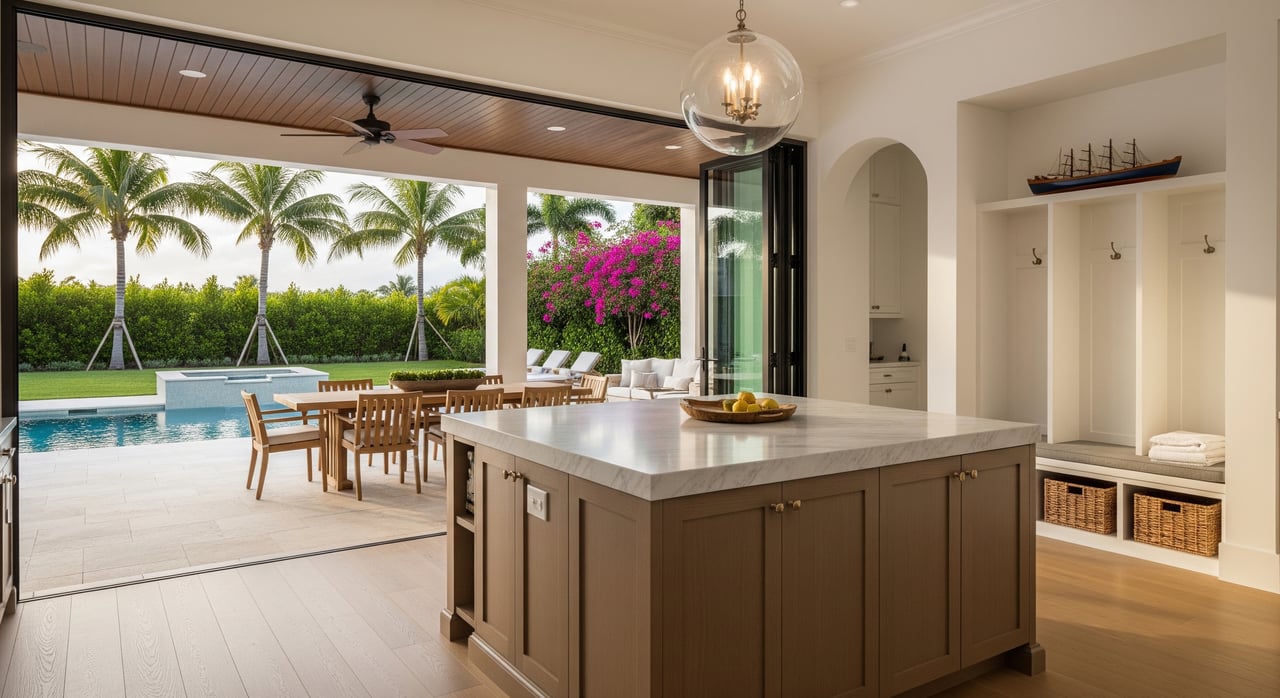
Trying to balance school drop-offs, work commutes, and weekend plans while deciding where to live? If Palm Beach Gardens is on your list, you want the facts that make daily life easier, not fluff. This guide covers how families live here day to day, from neighborhoods and schools to commutes, parks, and practical costs. You will leave with clear next steps that fit a busy family’s calendar. Let’s dive in.
Why families choose Palm Beach Gardens
Palm Beach Gardens is a suburban city in central Palm Beach County with a mix of gated golf communities, family neighborhoods, and convenient retail centers. Many households include children, and you will find a range of home types and local activities that support a family routine. The climate is subtropical, with hot, humid summers and mild winters. Hurricane season runs June to November, so plan for supplies, insurance, and home features like shutters or impact windows.
Most daily errands require a car, though a few commercial areas are more walkable. You will be close to beaches, parks, shopping, and regional employers. If you value suburban space, after-school activities, and short drives to groceries, medical care, and recreation, Palm Beach Gardens offers a comfortable rhythm.
Home types and neighborhoods
You will find three common lifestyle tiers. Each comes with trade-offs in space, maintenance, amenities, and travel time to work and school.
Luxury and gated golf living
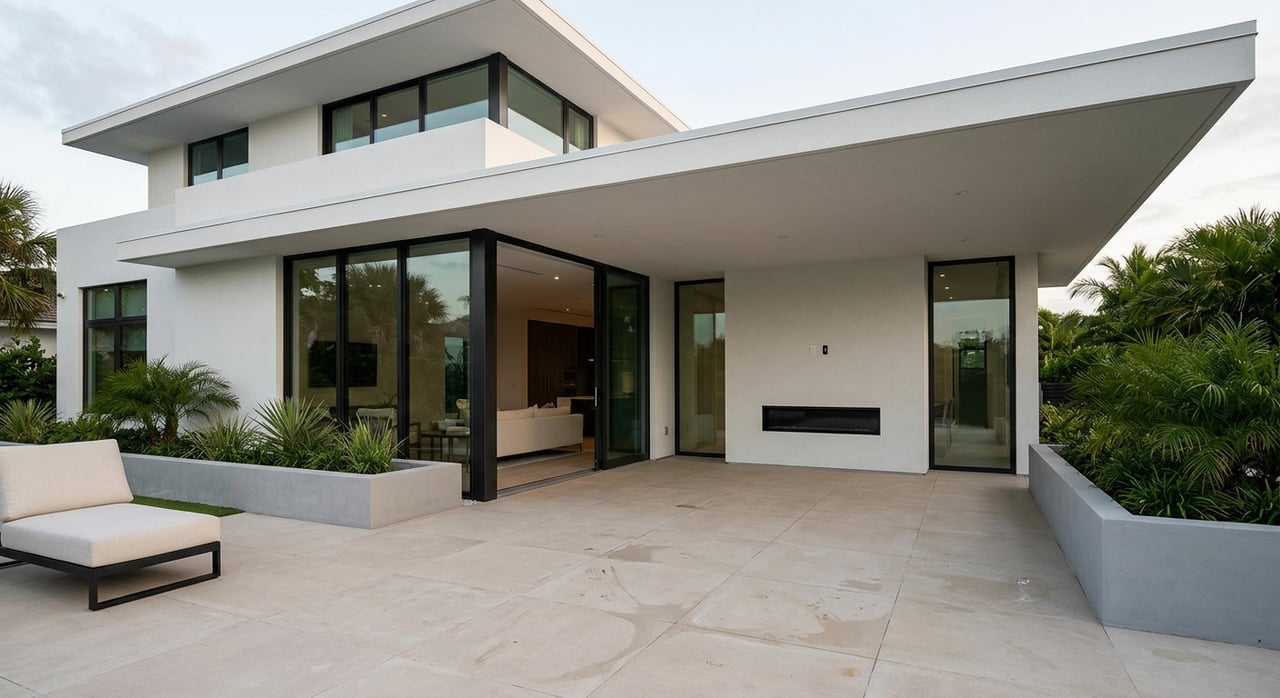
In private golf and resort communities, homes are often larger with club amenities such as golf, tennis, fitness, and pools. HOA fees are higher and many services can be handled by the community, which helps busy families simplify maintenance. Youth sports and clinics are often available inside the club system. If you want on-site activities and a tighter community feel, this tier fits well, though you will want to compare HOA rules and dues.
Mid-to-upper single-family suburbs
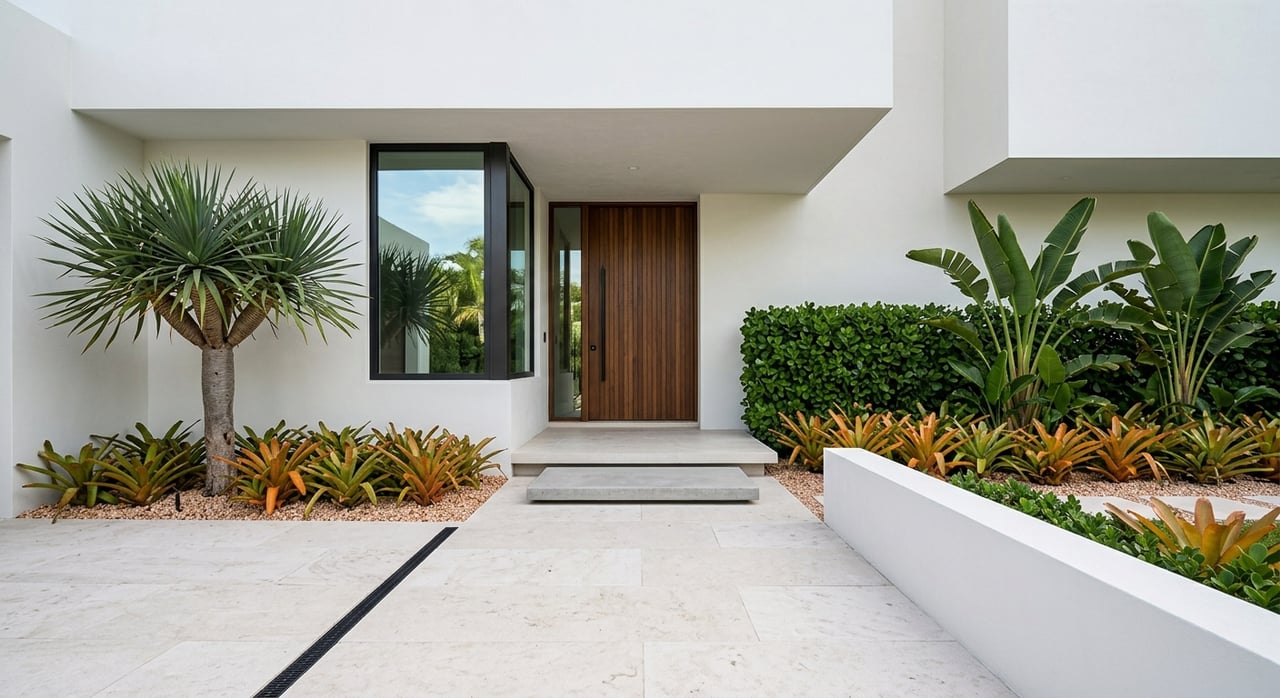
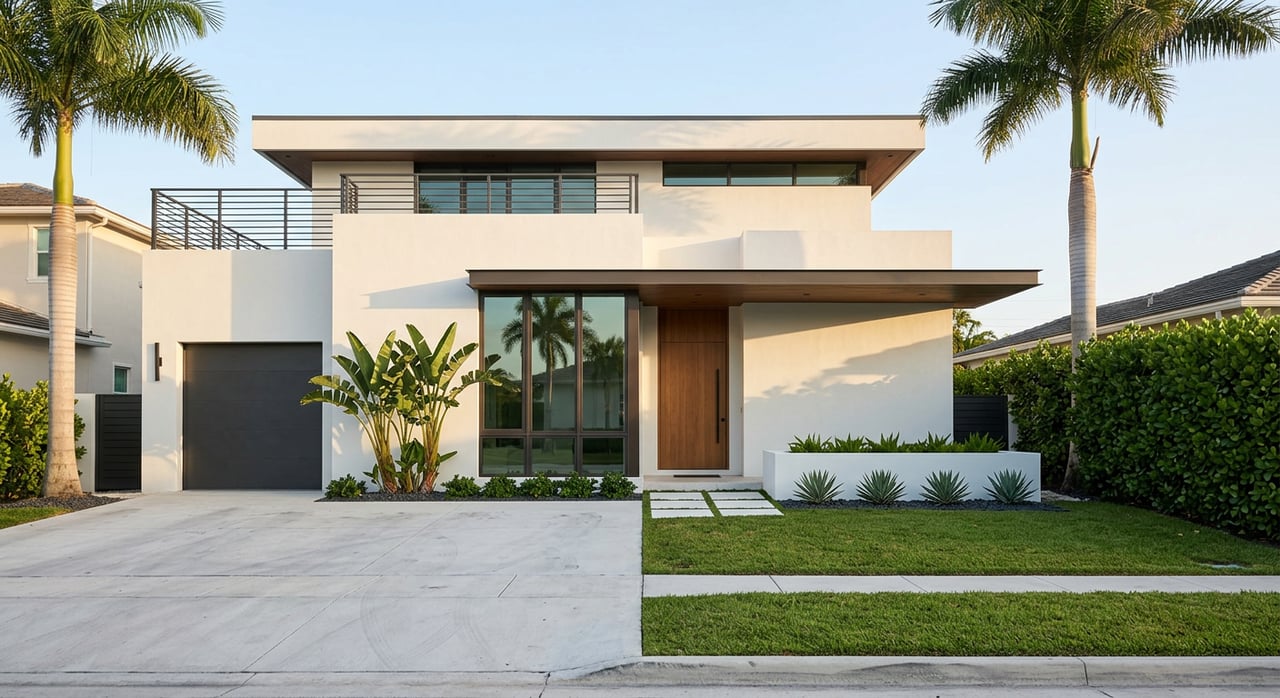
Traditional family neighborhoods offer 3 to 5 bedroom homes on modest to larger lots. You will see community parks, fields, and pools nearby. These areas are mostly car-oriented, but drives to schools, shopping centers, and medical offices are usually short. If you want yard space and a quieter residential setting, this is a practical middle ground.
Townhomes, condos, and low-maintenance builds
Townhomes and condos reduce upkeep and often sit near retail corridors and restaurants. Newer master-planned areas may pair smaller-lot homes with shared amenities. This works well if you prefer lock-and-leave living or travel for work. Compare HOA policies, parking, and storage to make sure the layout fits your routine.
Renting while you shop
Many families rent first to learn the area and watch for listings. Single-family rentals and multifamily apartments are available. If you are relocating, a short-term lease can give you time to understand school zones, commute routes, and weekend patterns before buying.
Schools and childcare basics
Palm Beach Gardens is part of the School District of Palm Beach County. School assignments are based on your home address, and there are countywide choice and magnet programs in specific focus areas.
How public school assignment works
- Use the district’s tools to verify your exact school zones for any address. Start with the School District of Palm Beach County to find school information and contacts.
- Programs and offerings vary by campus and can change over time. Visit schools, speak with administrators, and review official materials to understand curricula and after-care availability.
- For any potential home, confirm attendance zones and feeder patterns during your inspection and due diligence period.
Private, faith-based, and early childhood options
Private independent and parochial schools are part of the local mix. Grade ranges, admissions timelines, tuition, and transportation differ by school, so contact each directly and plan ahead for applications. For pre-K, Florida’s Voluntary Prekindergarten (VPK) is available through qualifying providers. Popular preschools can have waitlists, so inquire early.
Youth sports and enrichment
Families lean into a broad activity scene that includes recreational and travel soccer, baseball and softball, swim teams, tennis, martial arts, music and arts programs, and junior golf. The city, private clubs, and local organizations host seasonal leagues, camps, and after-school programs. Plan sign-ups early, especially for summer camps and competitive teams.
Getting around and commutes
Most families drive. Your commute will depend on proximity to major roads and the time you leave.
Driving and major roads
- North-south routes include I-95 and Florida’s Turnpike.
- East-west access relies on PGA Boulevard, Donald Ross Road, and nearby connectors to U.S. 1.
- Typical drives to West Palm Beach often range from about 15 to 30 minutes, depending on traffic and your starting point. Delray Beach and Boca Raton usually take longer. Seasonal tourism can add time, especially during peak hours.
Transit and rail options
Public transit exists but is limited for most family routines. Palm Tran runs county bus routes through and near Palm Beach Gardens. For regional rail, commuters often drive to nearby stations. Tri-Rail connects to airports and South Florida employment hubs, and Brightline offers intercity service with stations in West Palm Beach and Boca Raton. If you plan to mix driving and rail, map out station parking and last-mile options.
Walkability and bikes
Some retail nodes are more walkable, but most neighborhoods are not set up for daily errands on foot. Bike infrastructure is improving in parts of the county. If biking matters to you, review local bike lanes and potential school routes before you choose a neighborhood.
Parks, beaches, and fun
Weekends are easy to fill. Beaches are a short drive, and the city and county maintain parks with fields, playgrounds, and nature areas.
Parks and green spaces
The city’s parks offer athletic fields, playgrounds, programs, and community events. To explore facilities, schedules, and registration options, start with the City of Palm Beach Gardens. Nearby preserves and coastal areas offer walking trails and outdoor education, and golf programming is common across the region.
Shopping, groceries, and everyday errands
You will find major shopping centers, supermarkets, pharmacies, and specialty grocers within short drives of most neighborhoods. Many retailers offer curbside pickup and delivery, which helps busy schedules. Entertainment options include family-friendly restaurants, movie theaters, indoor play spots, and seasonal markets.
Healthcare and pediatric access
Pediatric practices, urgent care clinics, and hospitals are within a reasonable drive. For specialized services and major care, families often use facilities in Palm Beach Gardens, Jupiter, or West Palm Beach. For a regional option nearby, review services at Jupiter Medical Center and compare drive times from the neighborhoods you are considering.
Costs, taxes, insurance
Understanding ongoing costs helps you plan your budget beyond the purchase price.
Property taxes and homestead
Florida has no state income tax, which is a key draw for many. Property tax bills vary by property and location. If you buy a primary home and meet eligibility requirements, the homestead exemption can reduce your taxable value and provide certain assessment caps. For details and to look up properties, use the Palm Beach County Property Appraiser.
Insurance and storm readiness
Homeowners insurance and flood insurance are important in coastal counties. Premiums can be higher than in inland regions, especially for wind coverage. Ask your insurance agent about wind-mitigation credits for features like updated roofs, shutters, or impact windows. To check a specific home’s flood risk, review the FEMA Flood Map Service Center. For statewide insurance guidance and consumer resources, visit the Florida Office of Insurance Regulation.
Renovations and permits
If you plan to renovate, confirm permit records and coastal construction requirements with local authorities. Waterfront or low-elevation properties may need additional documentation such as elevation certificates. Your inspection period is the time to review these items with your agent and contractors.
A simple moving timeline
You can make a smooth move-in by structuring tasks in phases.
60 to 90 days out
- Define your must-haves, nice-to-haves, and non-negotiables.
- Get pre-approved and set a realistic monthly budget, including insurance and taxes.
- Research school zones and program options for your shortlist addresses.
- Map commute routes during your actual travel times.
30 to 60 days out
- Tour neighborhoods and homes in your top areas at different times of day.
- Price your trade-offs: HOA fees vs. amenities, yard size vs. proximity to shopping and schools.
- Line up childcare options and waitlists for preschools, after-care, and camps.
- Get quotes for insurance and review wind-mitigation opportunities.
0 to 30 days out
- Confirm utilities, internet, and service providers.
- Prepare hurricane supplies and verify shutters or impact windows.
- Schedule pediatrician transfer forms and prescription refills.
- Plan a weekend route to parks, beaches, and grocery stores to set your routine quickly.
Next steps
If Palm Beach Gardens sounds like a fit, a local, broker-led guide helps you choose the right neighborhood and timeline. You get help confirming school zones, commute realities, insurance considerations, and the small details that matter to everyday life. For hands-on support from search to closing, connect with Jeremy Blum.
FAQs
Is Palm Beach Gardens a good fit for families?
- The city offers suburban neighborhoods, parks, youth sports, nearby beaches, and access to public and private schooling options. Evaluate specific school zones, commute needs, and amenities for your household.
How do school zones work in Palm Beach Gardens?
- Zones are address-based within the county district; verify assignments for any home through the School District of Palm Beach County and confirm details with the school.
What should I know about hurricanes and flooding?
- Hurricane season runs June to November; review home features like shutters or impact glass, confirm insurance coverage, and check flood zones via the FEMA Flood Map Service Center.
Are there public transit or train options nearby?
- Palm Tran buses serve the area, and nearby Tri-Rail and Brightline stations offer regional rail service; most families still rely on driving for daily routines.
What home types are common in Palm Beach Gardens?
- You will see a mix of gated golf communities, traditional single-family neighborhoods, and lower-maintenance townhomes and condos, each with trade-offs in space, amenities, and HOA costs.
How long is the commute to West Palm Beach?
- Many residents report about 15 to 30 minutes by car depending on starting point, time of day, and seasonal traffic; test your route at your typical commute times.