Is your view doing all it can to sell your condo? In North Palm Beach, the right timing, prep and paperwork can turn a waterfront outlook and a boat slip into a fast, confident sale. If you want to attract serious, often cash, buyers and avoid delays, you need a simple plan that covers building docs, dock details, pricing and targeted marketing. This guide walks you through what to do and when so you sell smarter and with less stress. Let’s dive in.
Market timing and buyer demand
North Palm Beach sits in a seasonal market. Out‑of‑area buyers arrive in high numbers in winter and early spring, and many purchase in cash. Recent local reporting showed condo sales and prices holding fairly steady in early 2025, with a meaningful cash share in Palm Beach County. You can review that context in the latest county roundup from the association of REALTORS. See the Palm Beach County market report.
Seasonality matters. “Snowbird” months, roughly November through April, concentrate the most qualified out‑of‑area traffic. Listings that launch with strong media and complete documents in winter and early spring tend to see better attention. Read more on local seasonality in this Palm Beach seasonal trends primer.
What to do with this:
- If your goal is maximum exposure, aim to go live late fall through early spring.
- Have photos, video and a complete document package ready before peak season.
- If you must list off‑season, lean on premium media, virtual tours and targeted outreach.
HOA and building docs to pull now
Florida condominium law requires specific financial and structural disclosures for many buildings. For buildings three stories or higher, associations must complete structural integrity reserve studies within required timelines and disclose related budgets and assessments. Review the current statute at Florida Statutes Chapter 718.
Request a full association resale packet early. Buyers and their lenders will ask for it, and quick, clear answers build trust.
Documents to gather:
- Current budget, reserve study and any structural integrity or milestone reports.
- Association meeting minutes for the past 12 to 24 months.
- Estoppel or resale certificate with dues, assessments and balances.
- Governing documents: declaration, bylaws and rules that cover leasing and dock use.
- A simple summary of leasing rules, including minimum lease terms, approvals and any wait periods. See a helpful overview of HOA leasing approvals in this step‑by‑step guide.
Pro tip: If your association has healthy reserves or recent positive engineering updates, highlight that. If there are pending assessments or projects, disclose them clearly and note the expected process and timelines.
Prep your waterfront condo to show its best
Water drives value, but condition and confidence close the deal. Focus on repairs that signal low maintenance and safety, then present the view.
Waterfront‑specific prep checklist:
- Clarify what the HOA covers vs. what you cover for windows, sliders, balconies and exterior elements. Repair or disclose accordingly.
- Service the A/C and clean ducts. Humidity control is key near salt air.
- Check balcony railings, drainage and slider tracks. Treat or replace corroded metal.
- Inspect for plumbing leaks and water intrusion. Remediate any stains or odors before photos.
- Gather service records for appliances, water heater and HVAC.
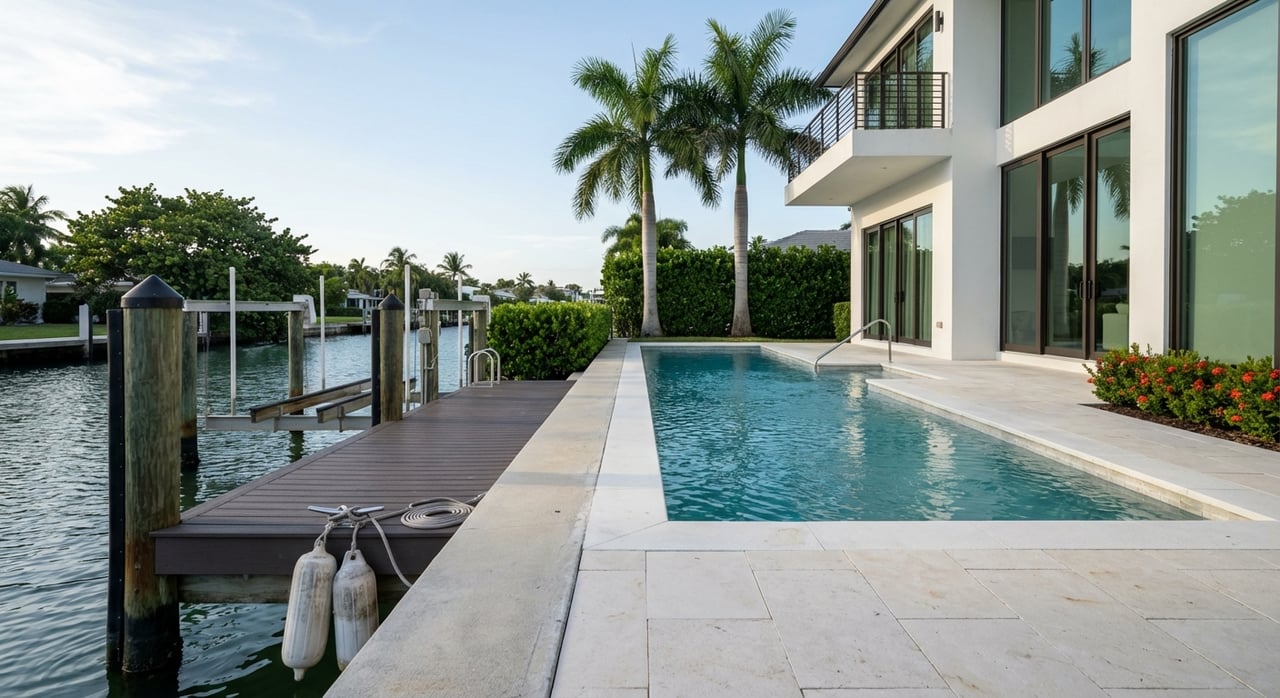
- If you have a dock, bulkhead or seawall, book a marine and seawall inspection and collect maintenance records. Buyers expect this for waterfront. Here is a practical overview of dock due diligence from a Florida brokerage perspective: what boat‑dock buyers look for.
Staging and photography tips:
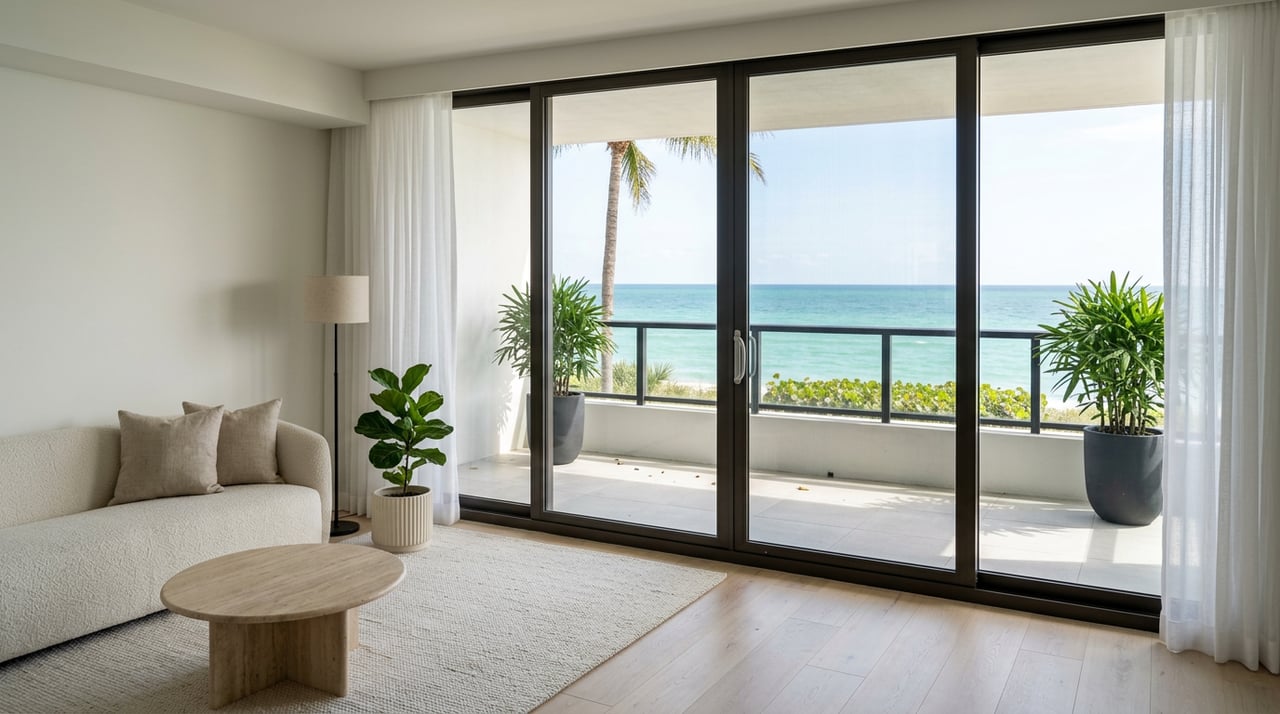
- Make the view the star. Clear window lines, open drapes and minimize tall furniture.
- Stage the balcony with a small table and two chairs. Remove hoses, life jackets and clutter.
- For small spaces, define zones and scale furniture to the room.
- Commission professional photos with at least one bright daytime view shot and one twilight image that captures the waterline. Consider a short 3D or video walk‑through so remote buyers can understand the approach and view. Industry guides show professional media and virtual tours materially increase engagement. See this seller marketing guide for a quick overview.
Docks, seawalls and permits buyers will verify
If your condo includes a private dock or an assigned slip, that feature can be a major value driver. It also adds questions you should answer up front.
Permits and approvals to confirm:
- Florida DEP often requires an Environmental Resource Permit for dock construction or modification, with limited exceptions for minor work. Collect your permits or approvals. Learn more about ERPs from the Florida DEP.
- If your dock extends over state sovereign submerged lands, the state typically issues a Letter of Consent or similar authorization. Gather that letter or proof of authorized use. Here’s a plain‑English explainer of a Florida Letter of Consent.
- Keep any past violation notices and proof of correction handy. Transparency reduces risk.
Condition and operations to document:
- Recent marine survey of pilings, decking and boat‑lift mechanics, plus a seawall inspection.
- Who may use the slip, whether it transfers at sale and how assignments work under the HOA.
- Boat size limits, draft and channel depth, plus any dredging history.
- Responsibility for repairs and how the HOA budgets for in‑water structures.
Dock questions every seller should have answered
- Is the slip deeded, assigned or leased, and does it transfer at closing? Provide the deed, assignment letter or HOA policy.
- What permits and approvals exist for the dock or lift? Provide copies of DEP permits and any federal or local approvals.
- What is the current condition of the dock, lift and seawall? Provide recent marine and seawall inspection reports.
- Who pays for maintenance and insurance on in‑water structures? Provide HOA budgets, minutes and rules.
- What are the size limits and access details for boats? Provide HOA rules and any channel depth info.
Pricing a waterfront condo the smart way
Price is about comparisons. Appraisers and buyers look for comps with similar view type, water access and dock rights. A deeded private dock, a larger or lift‑equipped slip, no fixed bridges to open water and a sound seawall can support higher demand. The exact premium is market specific, so request a broker price opinion and consider a pre‑listing appraisal if your unit is unusual.
Be clear on carrying costs and insurability. High HOA dues that include marina maintenance or dredging can make sense when explained well. Very low reserves or pending large assessments can reduce appeal, so disclose early. Flood risk and insurance are top of mind for waterfront buyers. Lenders require flood insurance for loans on properties in Special Flood Hazard Areas under federal guidance. For context, see the interagency flood‑insurance Q&A, and use the Village’s resource to confirm current designations at North Palm Beach flood zones.
What to prepare for pricing and diligence:
- A comp set that matches view, water access and dock rights.
- A simple one‑page summary of monthly costs: HOA, condo insurance, flood, taxes.
- Copies of recent service receipts and the dock or seawall condition reports.
Marketing that reaches out‑of‑area buyers
To capture peak‑season interest, you need broad exposure and the right storytelling.
Core tactics that work:
- MLS listing and full syndication, with the dock or slip highlighted in the first lines.
- Premium media: interior photos, balcony lifestyle shots, a twilight image over the water, drone aerials, and a 3D tour for remote buyers.
- Targeted outreach to feeder markets in the Northeast and Great Lakes through broker networks and social ads focused on deep‑water access, deeded slip and lock‑and‑leave convenience.
- Outreach to yacht clubs, marina communities and boating groups when a deeded slip is included.
- A secure digital data room that holds your HOA packet, dock permits, marine and seawall inspections, insurance quotes and recent invoices. Remote buyers move faster when everything is one click away.
Timing tip: Align the launch and ad spend with the winter buyer window. The Palm Beach market report and this seasonality overview both point to stronger winter and early spring activity.
Your 30/60/90‑day action plan
0 to 30 days: documents and quick fixes
- Request the HOA resale packet, estoppel, budget and any structural integrity or reserve studies. See Florida Statutes Chapter 718.
- Book a marine and seawall inspection, and pull any existing dock permits. A quick primer on buyer dock expectations is here: boat‑dock due diligence.
- Complete urgent repairs: sliders, balcony touch‑ups, A/C service and a deep clean. Declutter and stage the balcony.
30 to 60 days: media and disclosures
- Commission professional photography, drone and a 3D tour. For a quick framework on media that converts, see this seller marketing guide.
- Build a clean digital folder with HOA docs, permits, marine and seawall reports, and sample insurance quotes. Label files by topic for quick reference.
60 to 90 days: launch and showings
- Go live on MLS, activate social and email outreach and schedule broker tours that highlight boat access.
- Be ready to answer dock, flood and assessment questions on the first call. Share your data room link to speed decisions.
Who to have on your team
- A local listing agent with North Palm Beach waterfront experience who can price to your view and dock rights and execute a premium media plan.
- A marine and seawall inspector who provides written condition reports buyers can trust.
- A structural or civil engineer if your building is mid‑rise or higher and has recent integrity studies. See requirements in Chapter 718.
- An insurance broker who knows coastal and flood policies and can quote options consistent with federal flood‑insurance guidance.
- A professional stager and photographer with waterfront and twilight experience. Reference this seller marketing overview when planning shots.
Ready to list a waterfront condo in North Palm Beach with senior, marketing‑first guidance and a clean, buyer‑ready package? Reach out to Jeremy Blum to schedule a consultation and map your timeline.
FAQs
When is the best time to list a North Palm Beach waterfront condo?
- Winter and early spring see the most out‑of‑area traffic, so launching between November and April can boost exposure. See local seasonal trends.
What condo documents will buyers and lenders request for a waterfront unit?
- Expect to provide the HOA budget, reserve or structural integrity reports, minutes, estoppel, rules that cover leasing and dock use, and any special assessments per Florida Statutes Chapter 718.
How do I verify my dock or slip before listing my condo?
- Pull DEP permits and approvals, any state “Letter of Consent” for submerged lands, and order a recent marine and seawall inspection. Start at the Florida DEP ERP program and this Letter of Consent explainer.
How does the flood zone affect my sale and buyer financing?
- If the building is in a Special Flood Hazard Area, lenders require flood insurance on financed purchases. Provide a current map from North Palm Beach flood zones and a sample quote that aligns with federal guidance.
Are short‑term or seasonal rentals allowed after I sell?
- Leasing rules vary by association and may differ for new owners. Summarize minimum lease terms, approval steps and any wait periods using your governing documents and this leasing approval overview.
What helps a waterfront condo appraise and sell at top value?
- Provide comps that match view and water access, plus written marine and seawall reports, clear HOA financials and premium media that showcases the view and balcony living. Buyers respond to confidence and presentation.